
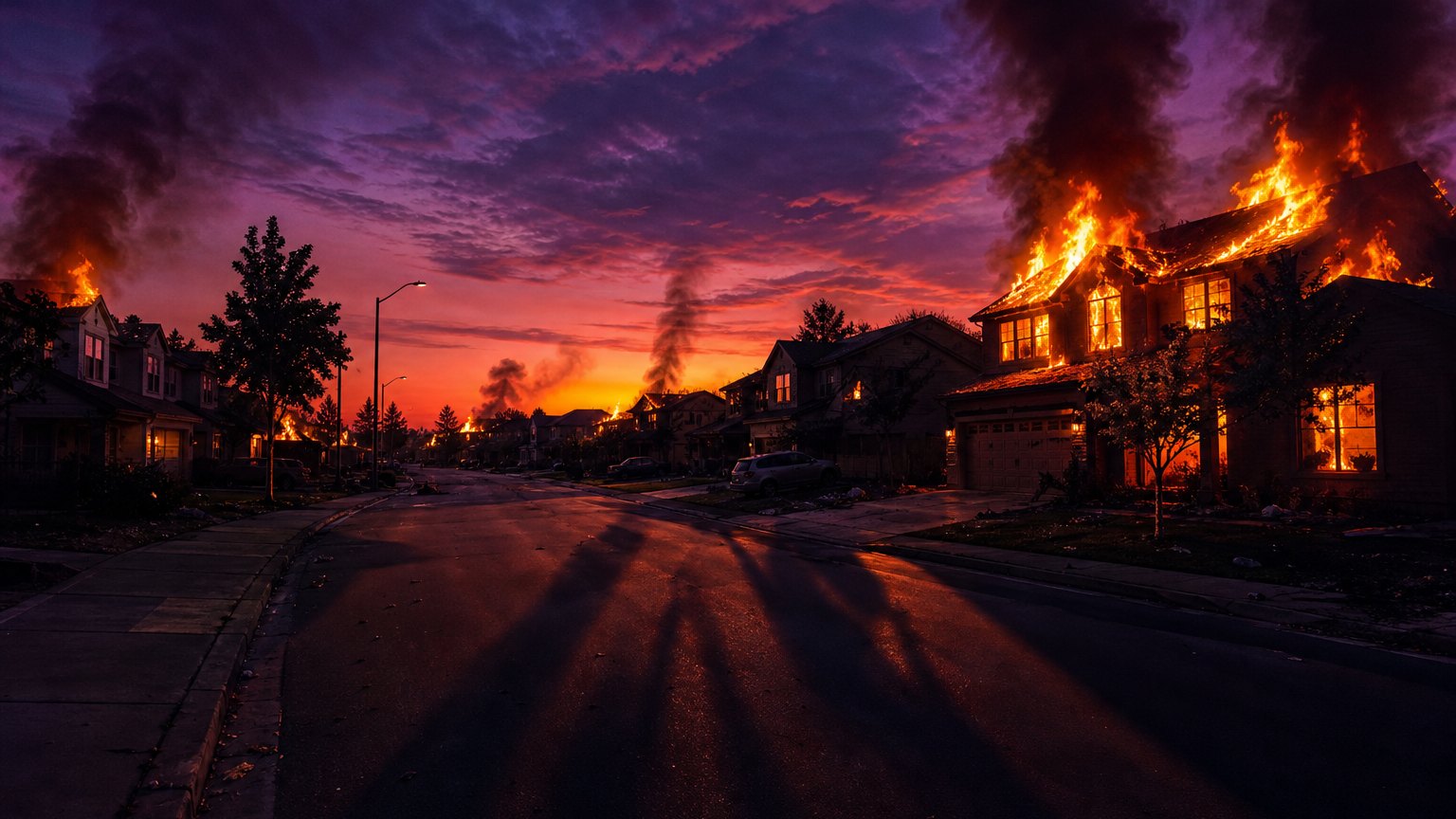
STOURBRIDGE — The boundary between documentary reality and the visceral terror of genre cinema has always been porous, but this week’s events in Stourbridge have rendered that distinction almost irrelevant. On August 13, 2026, the West Midlands were thrust into a nightmarish tableau as major wildfires ignited, transforming familiar residential landscapes into scenes ripped from the most harrowing segments of apocalyptic filmography. The speed with which these blazes spread suggests an entity far more malevolent than mere weather, moving with the relentless, predatory grace of a monster in a slasher film.
A Scene Set in Fire
Drone footage circulating through local networks offers a perspective usually reserved for high-concept horror directors: a god’s-eye view of homes gutted, structures reduced to skeletal remains, and skies choked with a particulate haze that feels heavy, almost tangible. The imagery is not merely tragic; it is aesthetically overwhelming in its devastation. Houses that once stood as symbols of domestic security are now incinerated shells, their silhouettes stark against the orange glow of the inferno. This is the uncanny valley of disaster, where the familiar becomes alien through the medium of flame.
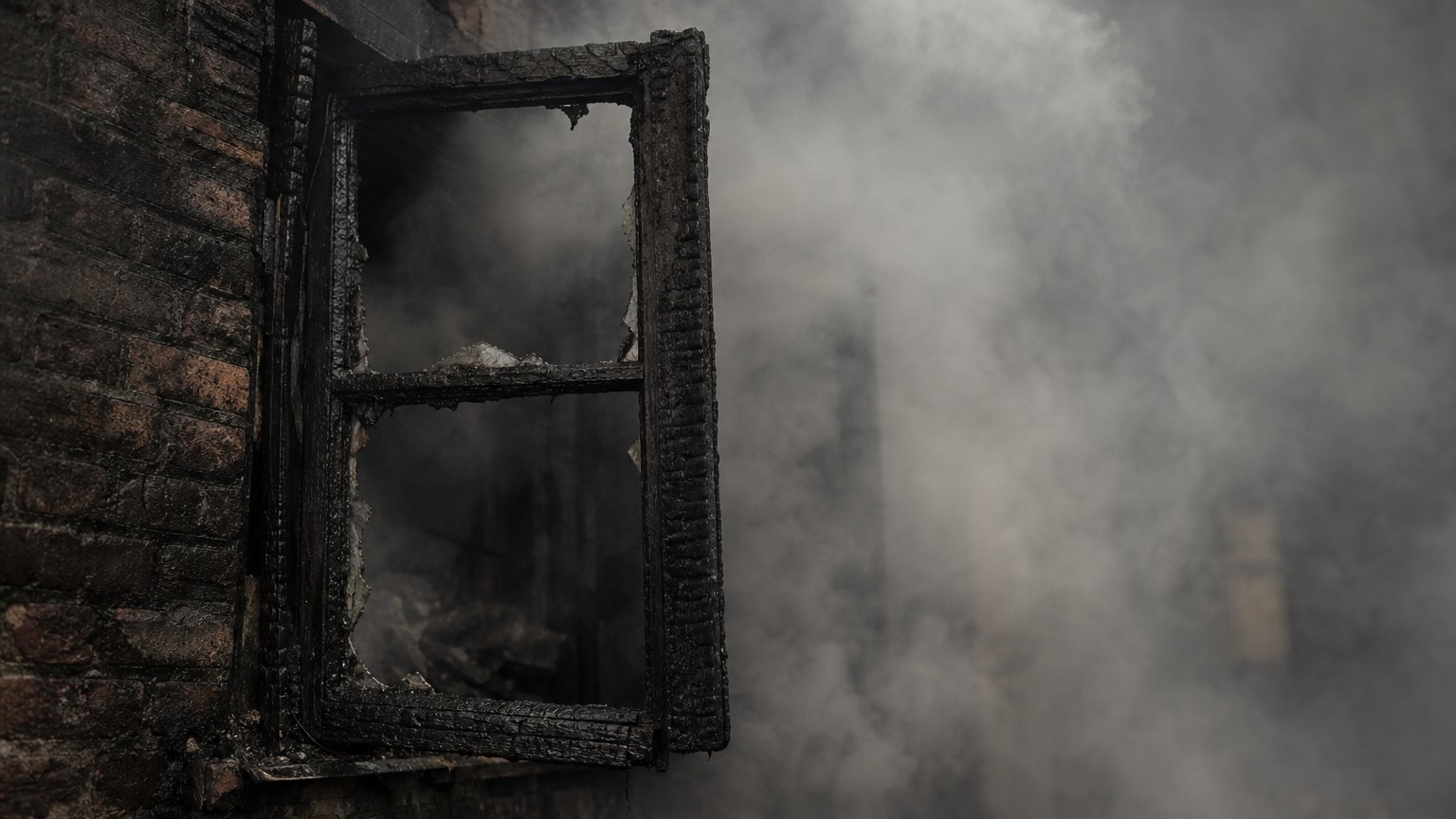
The response from the West Midlands Fire Service underscores the scale of the threat. Over one hundred firefighters were deployed, a mobilization that mirrors the coordinated effort seen in disaster epics, yet here the stakes are undeniably real. The urgency in their movements is palpable, a human counterpoint to the chaotic, organic spread of the fire. Residents were urgently urged to stay indoors, a directive that evokes the claustrophobic tension of a siege film, where safety is a fragile construct maintained only by closed doors and held breath.
The Human Cost of the Spectacle
While the visual spectacle dominates the narrative, the human toll remains the true horror. Evacuations were underway for those in the most affected areas, a chaotic exodus reminiscent of the opening acts of survival thrillers. Among the displaced was at least one child treated for smoke inhalation, a detail that grounds the abstract terror in a deeply personal, heartbreaking reality. It serves as a grim reminder that behind the drone footage and the emergency broadcasts are individuals facing the very real possibility of loss.
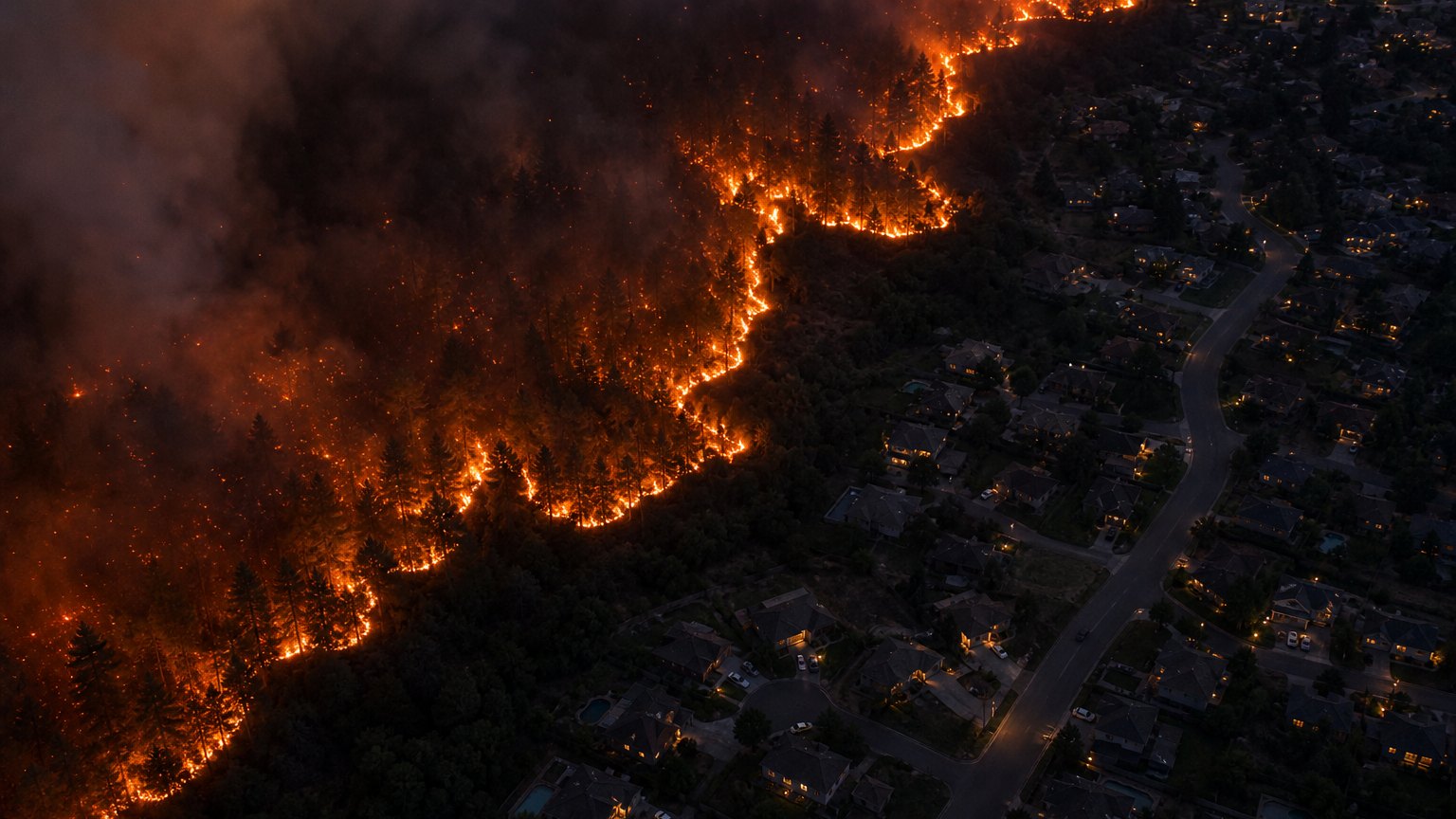
The fires in Stourbridge are not just a meteorological event; they are a cultural moment that forces a confrontation with our vulnerability. In an era where we consume horror as entertainment, witnessing such raw, unscripted destruction challenges our desensitization. The fast-moving nature of the blaze and the significant damage inflicted leave a scar on the community’s psyche, much like a well-crafted horror film leaves a lingering dread long after the credits roll. As the smoke clears, the question remains not just about recovery, but about how we process the aesthetic of our own fragility.
Comments (3)